April 22, 2026
[AI-Generated] Optimizing Bioreactor Performance for Cell Cultures
Excepteur sint occaecat cupidatat non proident, sunt in culpa qui officia deserunt mollit anim id est laborum.


Executive Summary
Optimizing bioreactor performance is a multifaceted challenge that requires a deep understanding of both the technology and the biological systems involved. By implementing tailored strategies, researchers and manufacturers can enhance the efficiency of their bioprocesses, ultimately leading to more successful outcomes in cell therapy and regenerative medicine.
Understanding Bioreactor Dynamics
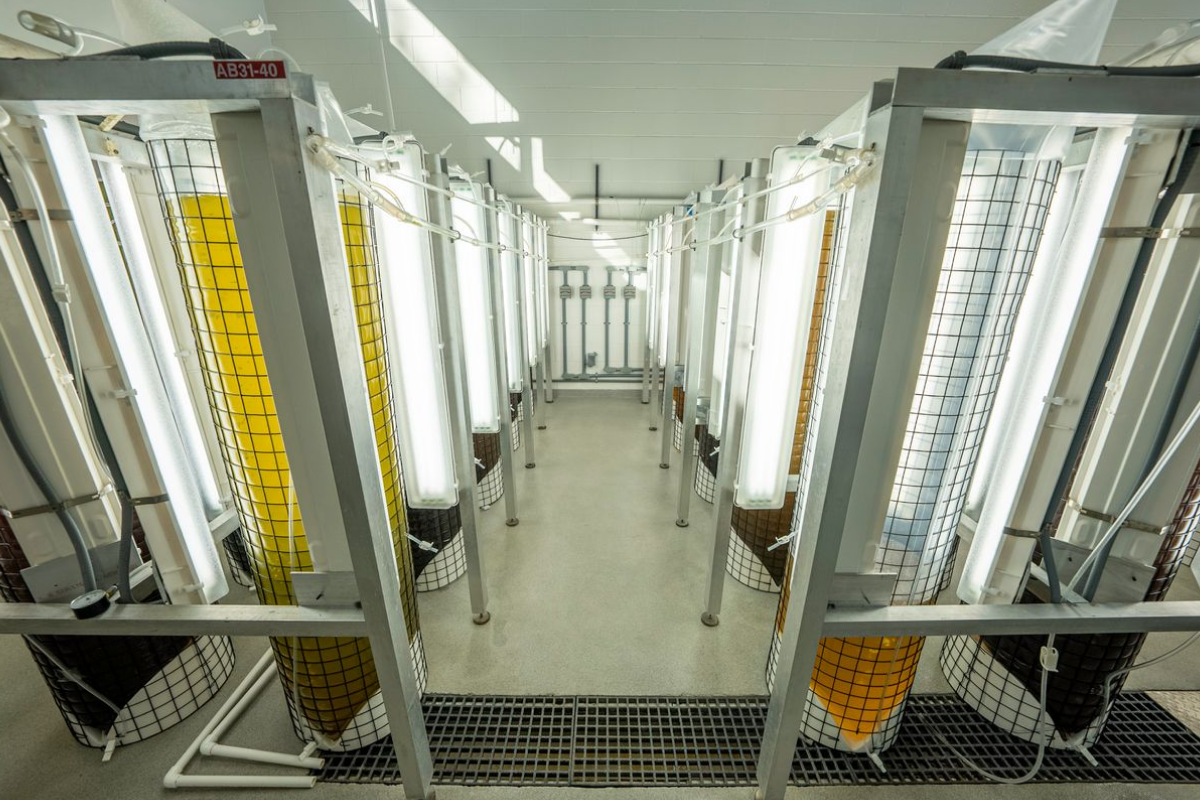
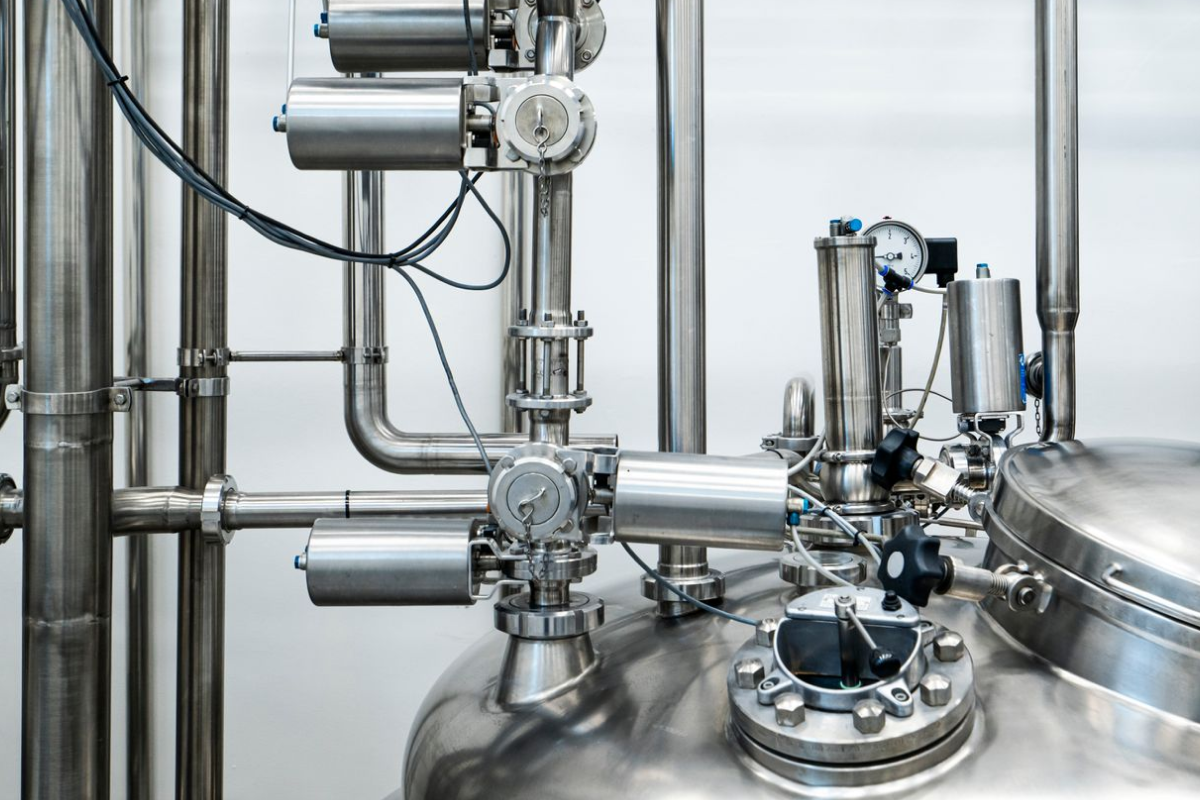
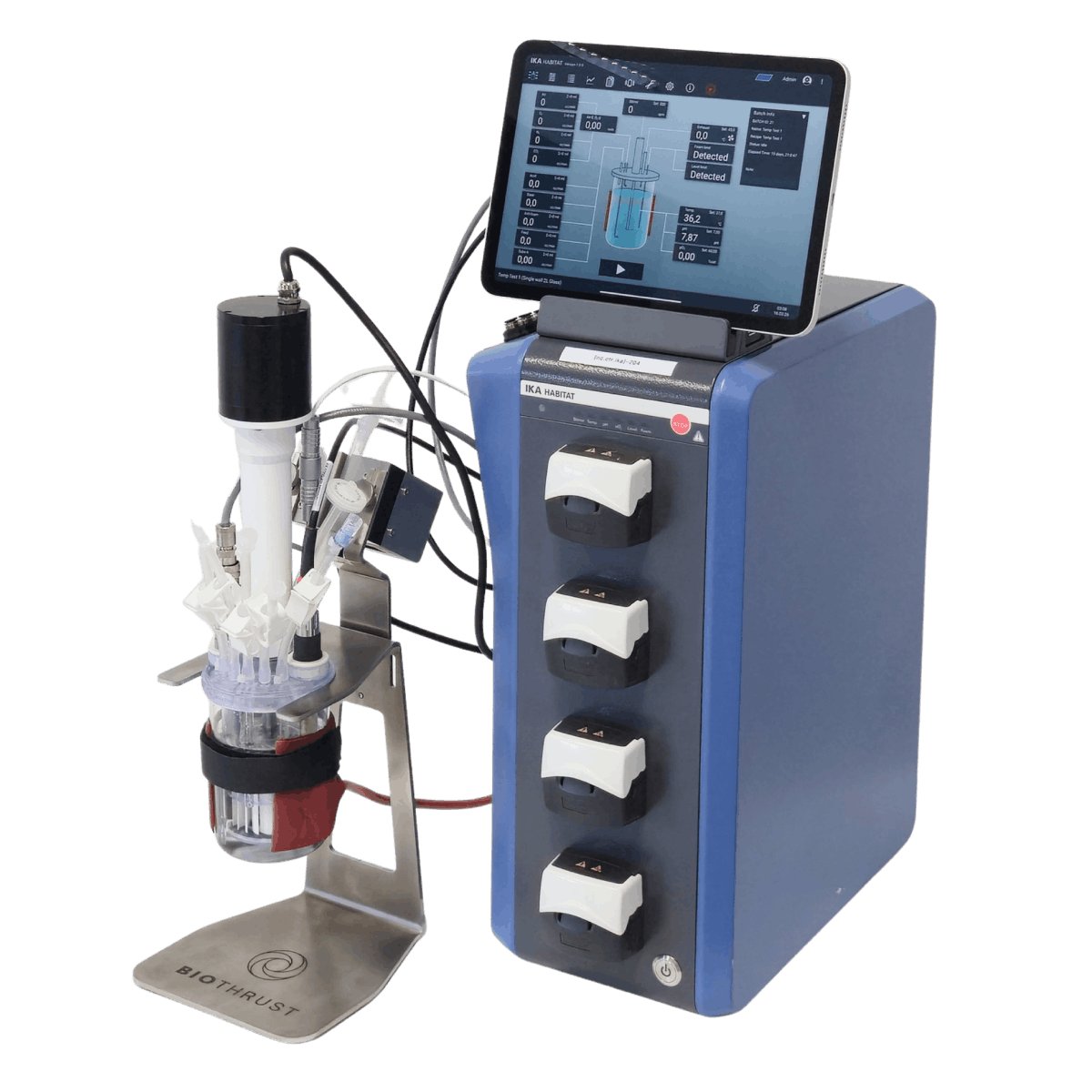
Bioreactors are designed to provide a controlled environment for cell growth, where factors such as temperature, pH, and oxygen levels are meticulously regulated. However, the dynamics within these systems can be complex, influenced by the type of cells being cultured and the specific bioprocess requirements.
For instance, sensitive cell lines, such as induced pluripotent stem cells (iPSCs), require gentle handling to avoid shear stress, which can lead to cell damage. Therefore, understanding the unique needs of the cell type is essential for optimizing bioreactor conditions.
Key Optimization Strategies
- 1. Tailored Agitation and Mixing: Adjusting the agitation speed and mixing patterns can significantly impact mass transfer rates and nutrient distribution. For shear-sensitive cells, low-shear mixing techniques can be employed to maintain cell integrity while ensuring adequate nutrient supply.
- 2. Membrane-Based Gas Exchange: Implementing membrane-based systems for gas exchange can enhance oxygen transfer rates without introducing bubbles, which can be detrimental to cell health. This approach allows for higher cell densities and improved overall productivity.
- 3. Real-Time Monitoring: Utilizing advanced sensors for real-time monitoring of critical parameters such as dissolved oxygen, pH, and cell density can provide valuable insights into bioreactor performance. This data enables timely adjustments to maintain optimal conditions.
- 4. Process Intensification: Exploring process intensification strategies, such as perfusion culture systems, can lead to higher cell yields and reduced culture times. These systems allow for continuous nutrient supply and waste removal, creating a more favorable environment for cell growth.
Conclusion
Optimizing bioreactor performance is a multifaceted challenge that requires a deep understanding of both the technology and the biological systems involved. By implementing tailored strategies, researchers and manufacturers can enhance the efficiency of their bioprocesses, ultimately leading to more successful outcomes in cell therapy and regenerative medicine.
Have questions or need finding the right solution?
Our team is here to help you achieve your research goals.

Related Articles