June 15, 2026
[AI-Generated] Insights into Bioreactor Optimization
Excepteur sint occaecat cupidatat non proident, sunt in culpa qui officia deserunt mollit anim id est laborum.


Executive Summary
Optimizing bioreactor technology is essential for advancing biopharmaceutical production and ensuring the success of cell therapies. By embracing innovative designs and practices, researchers can enhance cell culture outcomes, paving the way for more effective treatments in regenerative medicine.
As the field of bioprocessing continues to evolve, the optimization of bioreactors remains a critical focus for researchers and manufacturers alike. This article aims to explore the latest advancements in bioreactor technology and their implications for cell culture efficiency and productivity.
The Importance of Bioreactor Design
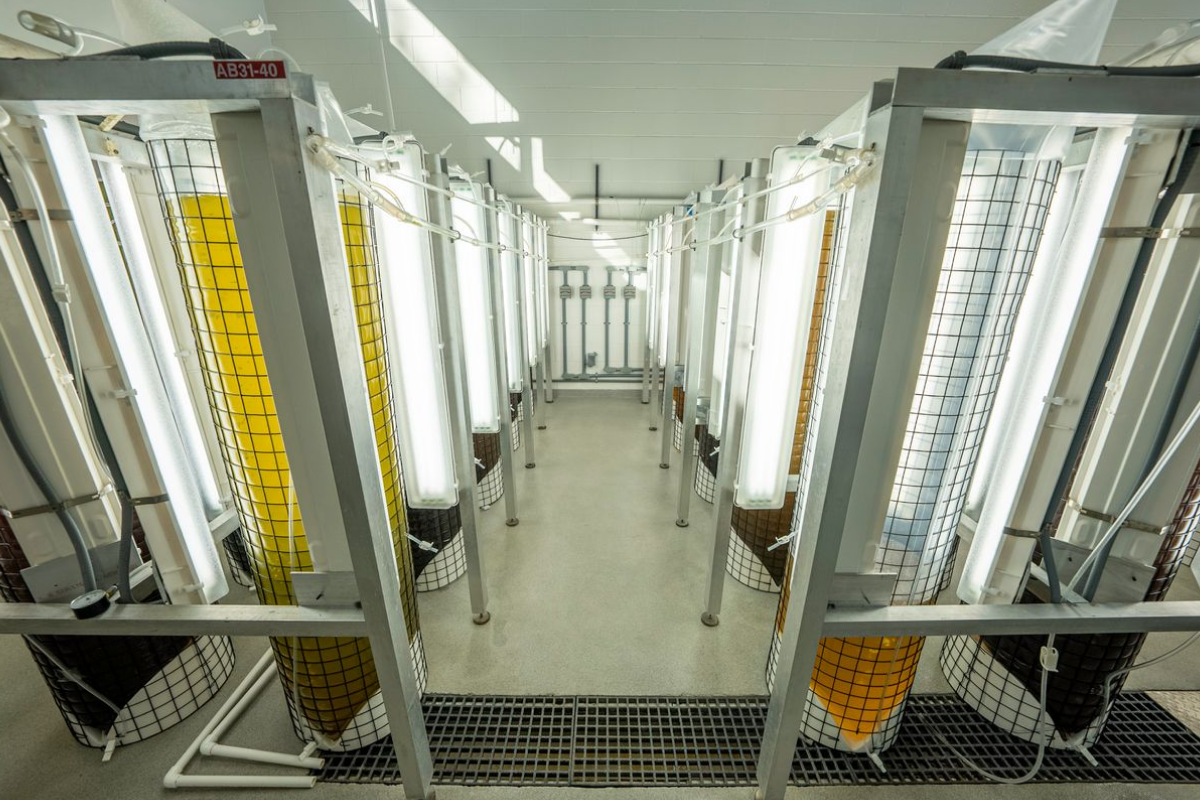
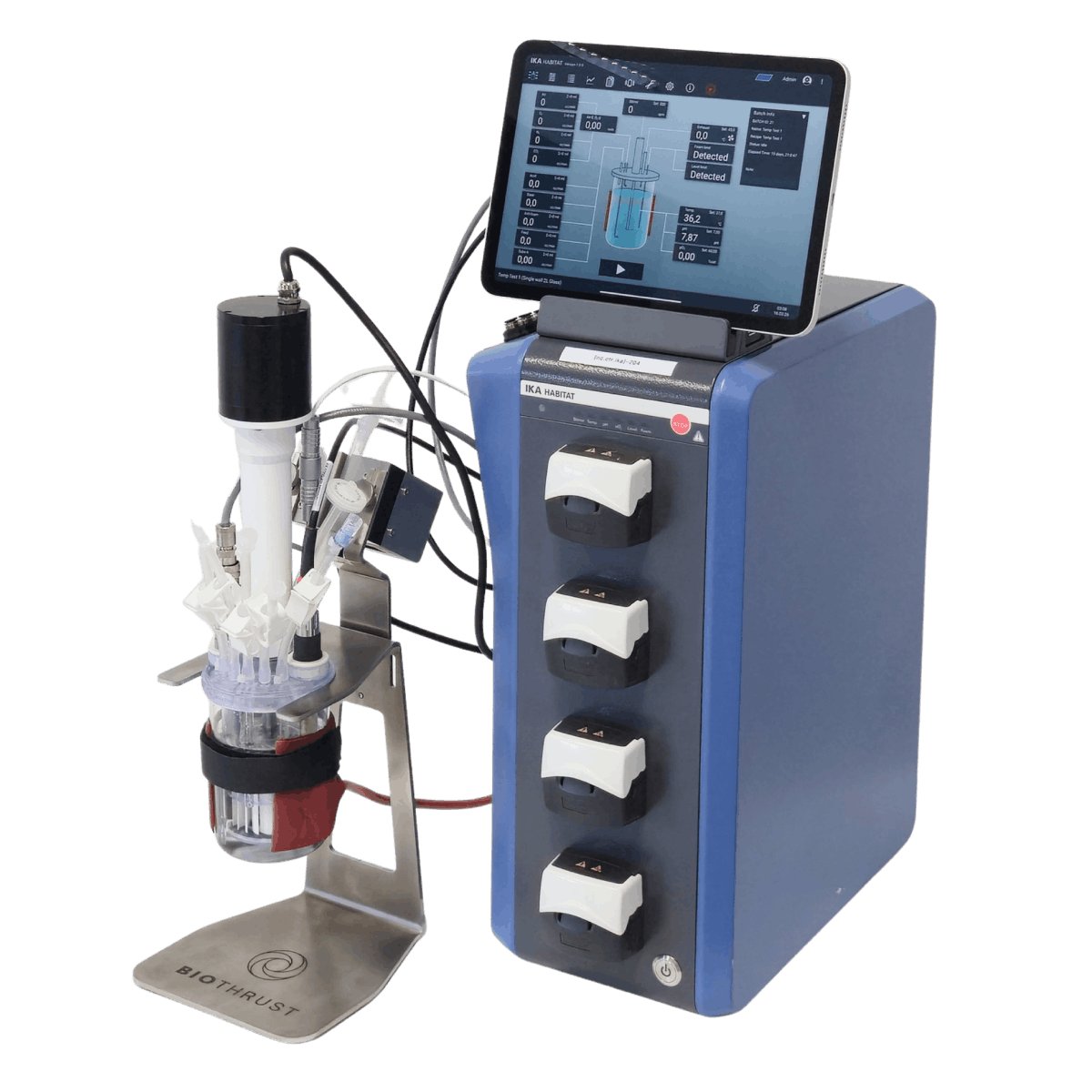
Bioreactors are essential for cultivating cells in a controlled environment, where parameters such as temperature, pH, and nutrient supply must be meticulously managed. The design of a bioreactor can significantly influence the growth and productivity of cell cultures, making it imperative to adopt innovative approaches that enhance performance.
Recent Innovations in Bioreactor Technology
- 1. Modular Bioreactor Systems: The development of modular bioreactor systems allows for greater flexibility in scaling up processes. These systems can be easily adjusted to accommodate different cell types and production scales, ensuring optimal conditions for growth.
- 2. Advanced Monitoring Techniques: Implementing sophisticated monitoring technologies enables real-time tracking of critical parameters. This data-driven approach allows for timely adjustments, ensuring that cells are maintained in their ideal growth conditions.
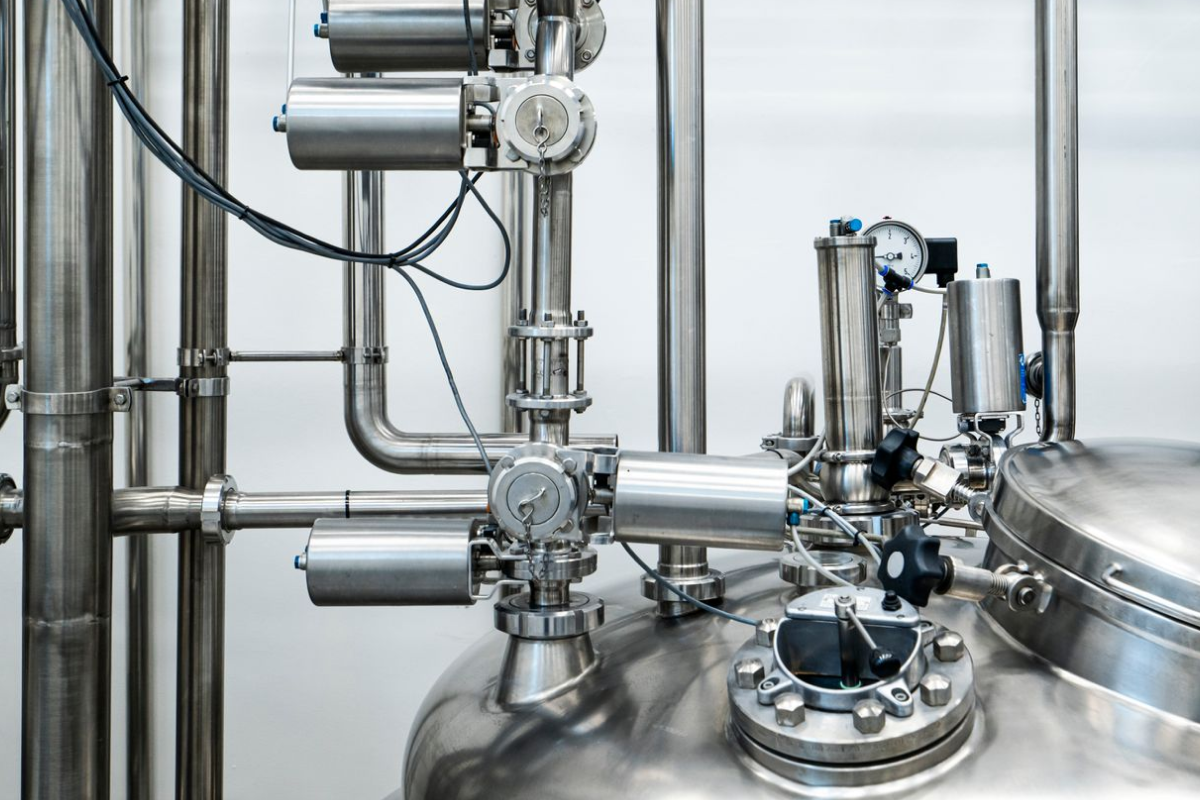
- 3. Integration of Bioreactor Automation: Automation in bioreactor operations can streamline workflows and reduce human error. Automated systems can manage nutrient feeds, gas exchange, and environmental controls, leading to more consistent and reliable outcomes.
- 4. Sustainable Practices: The push for sustainability in bioprocessing has led to the exploration of eco-friendly materials and energy-efficient designs. These practices not only reduce the environmental impact but also lower operational costs.
Conclusion
Optimizing bioreactor technology is essential for advancing biopharmaceutical production and ensuring the success of cell therapies. By embracing innovative designs and practices, researchers can enhance cell culture outcomes, paving the way for more effective treatments in regenerative medicine.
Have questions or need finding the right solution?
Our team is here to help you achieve your research goals.

Related Articles