July 10, 2026
[AI-Generated] Approaches to Enhance Bioreactor Efficiency
Excepteur sint occaecat cupidatat non proident, sunt in culpa qui officia deserunt mollit anim id est laborum.


Executive Summary
Enhancing bioreactor efficiency is crucial for meeting the growing demands of the biopharmaceutical industry. By adopting innovative approaches and technologies, researchers can optimize bioprocesses, leading to more effective therapies and improved patient outcomes.
As the demand for biopharmaceuticals continues to rise, optimizing bioreactor efficiency has become a pivotal focus for researchers and industry professionals. This article discusses innovative approaches that can significantly enhance the performance of bioreactors, ensuring higher yields and improved cell viability.
Understanding Bioreactor Functionality
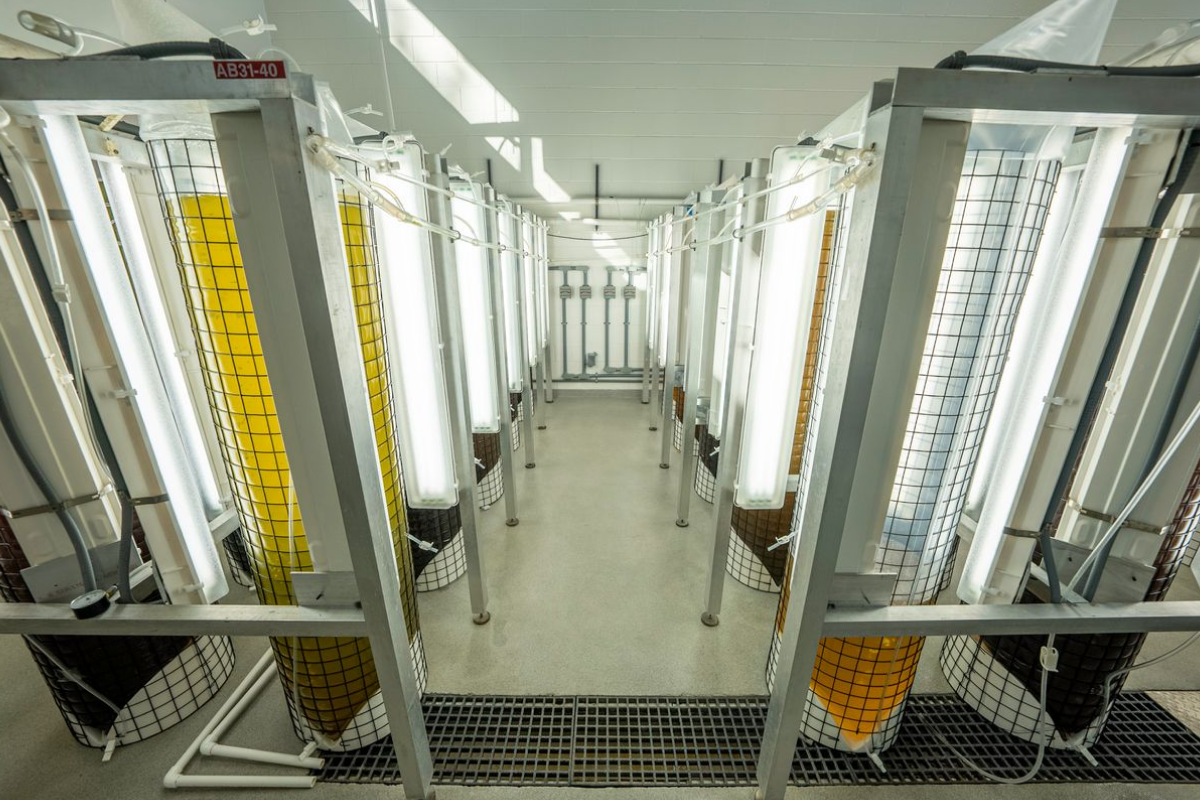
Bioreactors are designed to create an optimal environment for cell growth, where various parameters such as temperature, pH, and nutrient availability are carefully controlled. The efficiency of these systems is influenced by the design and operational strategies employed, making it essential to explore new methodologies that can lead to better outcomes.
Key Approaches to Optimization
- 1. Enhanced Nutrient Delivery: Implementing advanced nutrient delivery systems can ensure that cells receive the necessary components for growth without delay. This can involve the use of microencapsulation techniques to provide a steady release of nutrients over time.
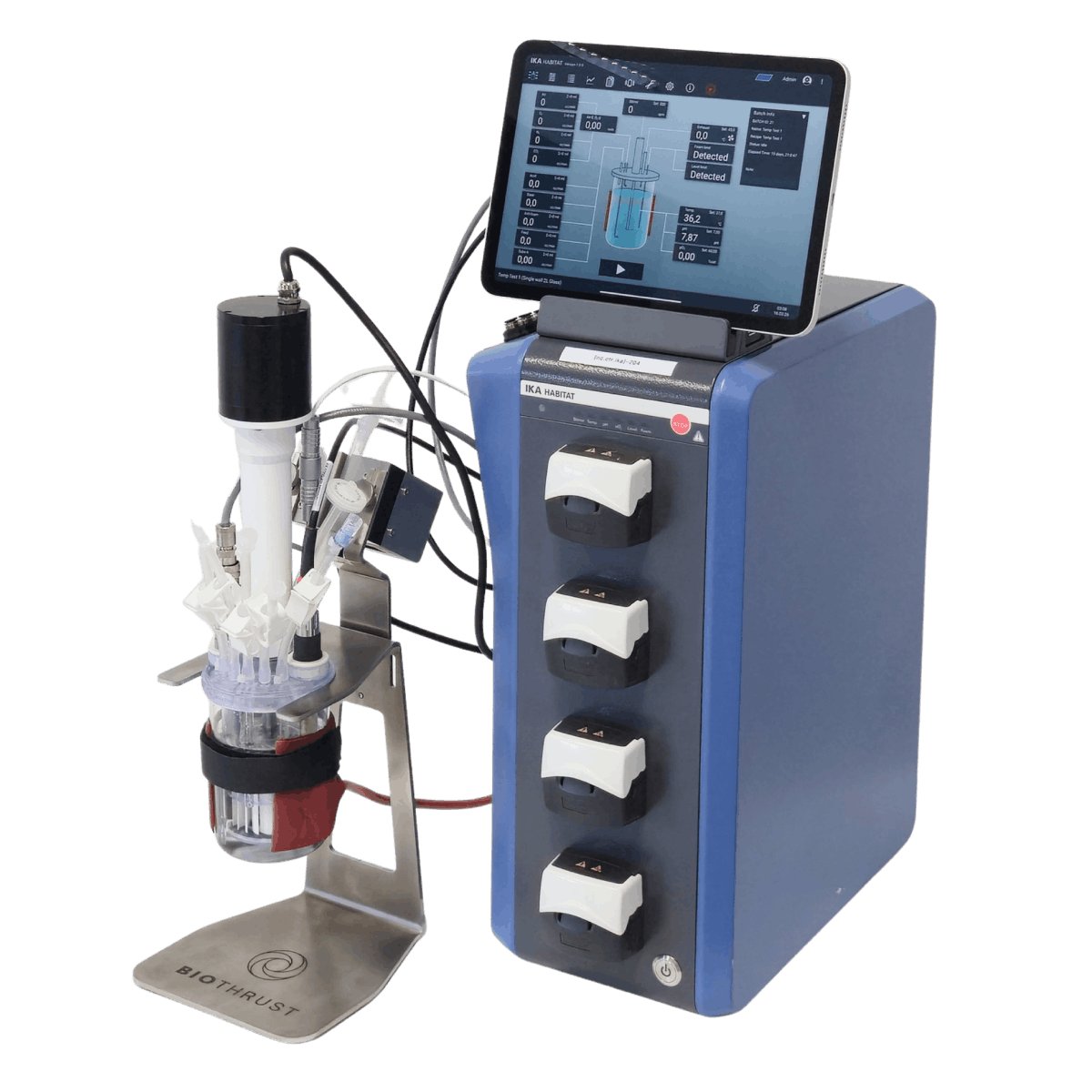
- 2. Adaptive Control Systems: Utilizing adaptive control systems that respond in real-time to changes in bioreactor conditions can significantly improve performance. These systems can adjust parameters automatically based on sensor feedback, ensuring optimal growth conditions are maintained.
- 3. Innovative Bioreactor Designs: Exploring new bioreactor designs, such as single-use systems or perfusion bioreactors, can enhance scalability and reduce contamination risks. These designs allow for more flexible operations and can be tailored to specific production needs.
- 4. Integration of Data Analytics: Leveraging data analytics and machine learning can provide insights into bioreactor performance, enabling predictive modeling that helps in making informed decisions about process adjustments.
Conclusion
Enhancing bioreactor efficiency is crucial for meeting the growing demands of the biopharmaceutical industry. By adopting innovative approaches and technologies, researchers can optimize bioprocesses, leading to more effective therapies and improved patient outcomes.
Have questions or need finding the right solution?
Our team is here to help you achieve your research goals.

Related Articles