May 1, 2026
[AI-Generated] Innovative Techniques for Bioreactor Optimization
Excepteur sint occaecat cupidatat non proident, sunt in culpa qui officia deserunt mollit anim id est laborum.


Executive Summary
Optimizing bioreactor performance is essential for the success of biopharmaceutical production. By employing innovative techniques and leveraging technology, researchers can enhance cell culture outcomes, ultimately leading to more effective therapies in regenerative medicine.
In the quest for enhanced bioreactor performance, researchers are continually exploring innovative techniques that can lead to improved cell growth and productivity. This article delves into several cutting-edge strategies that can be employed to optimize bioreactor operations, particularly in the context of regenerative medicine and cell therapy.
Understanding the Bioreactor Environment
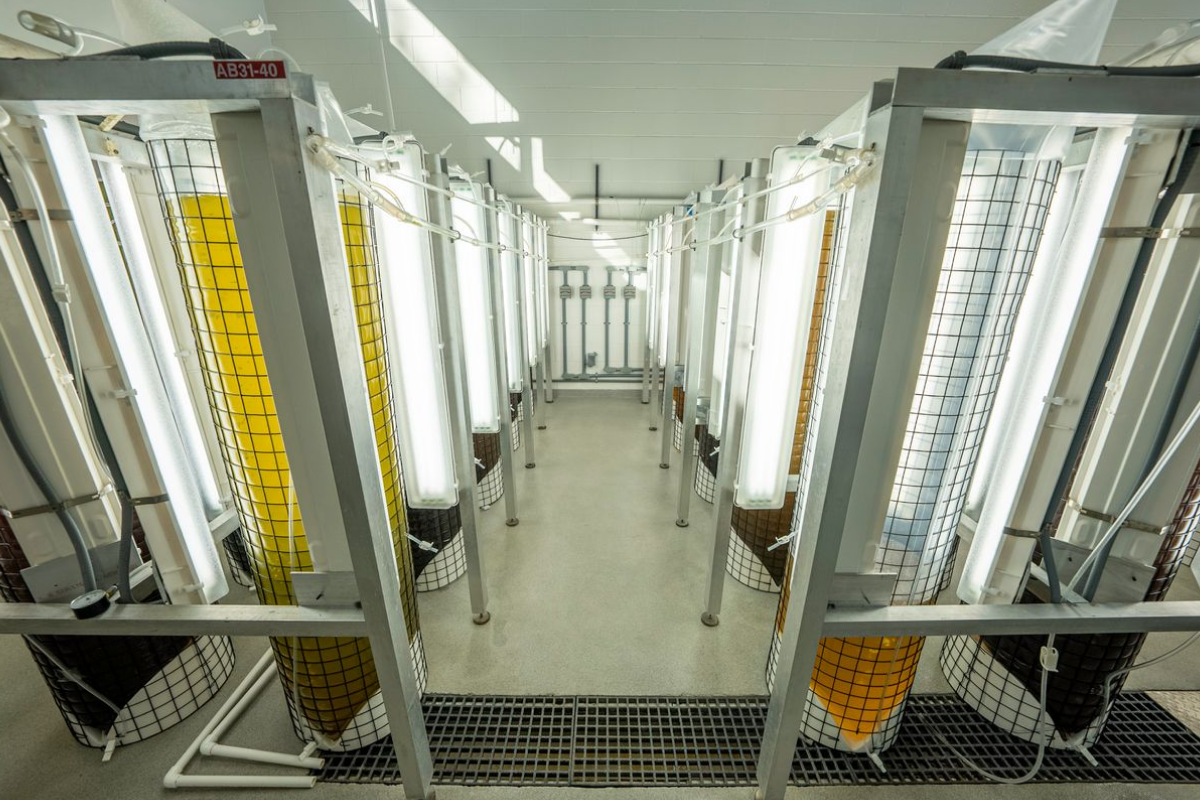
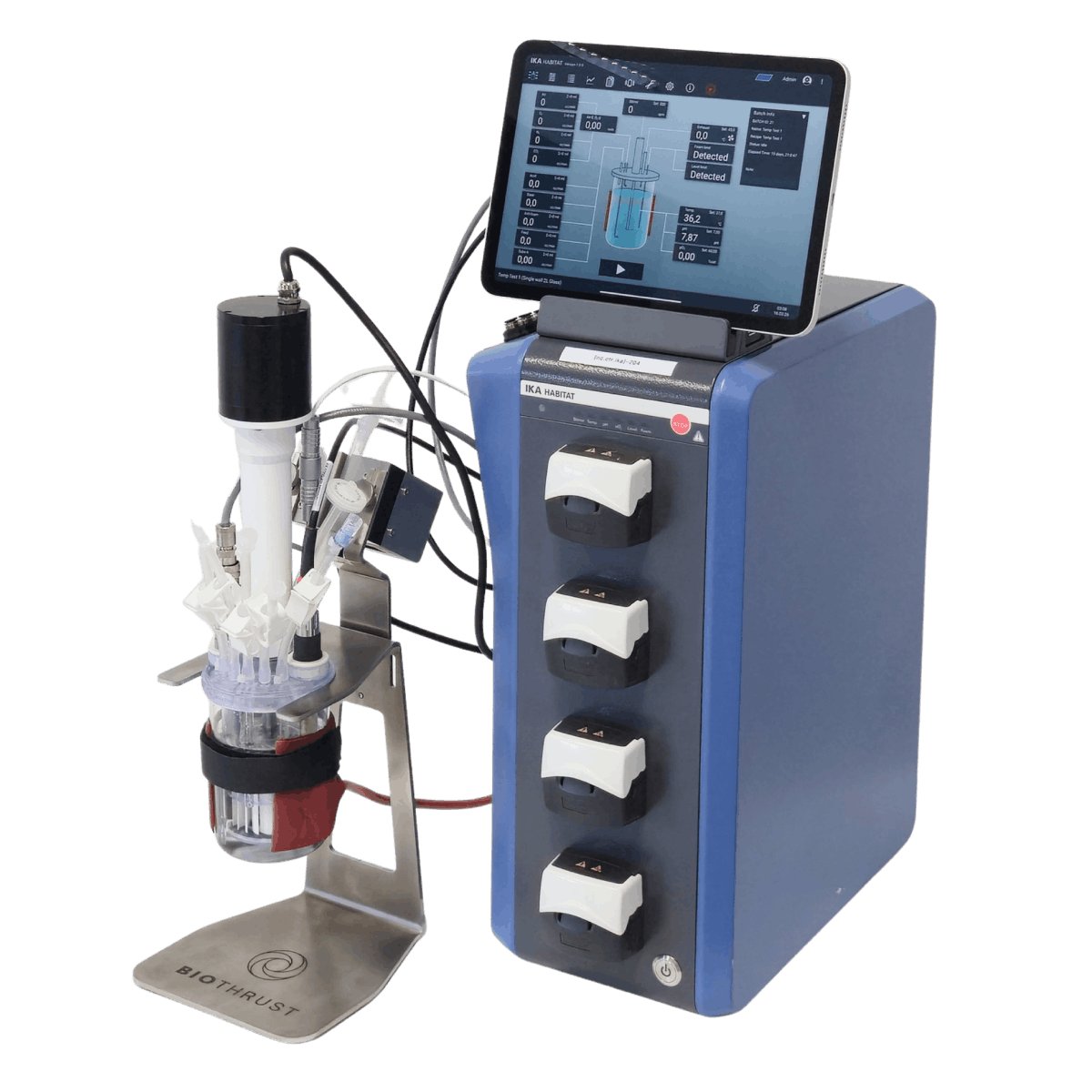
Bioreactors serve as the heart of bioprocessing, providing a controlled environment for cell cultures. Key parameters such as temperature, pH, and dissolved oxygen levels must be meticulously monitored and adjusted to ensure optimal conditions for cell growth. However, the complexity of these systems often requires a multifaceted approach to optimization.
Advanced Techniques for Optimization
- 1. Dynamic Control Systems: Implementing real-time monitoring and control systems can significantly enhance bioreactor performance. By utilizing advanced sensors and data analytics, operators can make informed adjustments to maintain ideal growth conditions.
- 2. Customized Media Formulations: Tailoring the nutrient composition of the culture media can lead to improved cell viability and productivity. By understanding the specific metabolic needs of the cell lines being cultured, researchers can create optimized media that supports robust growth.
- 3. Scalable Process Design: Designing bioprocesses that can be easily scaled up from laboratory to industrial levels is crucial for commercial success. This involves selecting bioreactor configurations that maintain performance consistency across different scales.
- 4. Integration of Artificial Intelligence: The use of AI and machine learning algorithms can revolutionize bioprocess optimization. By analyzing historical data, these technologies can predict optimal operating conditions and suggest adjustments in real-time.
Conclusion
Optimizing bioreactor performance is essential for the success of biopharmaceutical production. By employing innovative techniques and leveraging technology, researchers can enhance cell culture outcomes, ultimately leading to more effective therapies in regenerative medicine.
Have questions or need finding the right solution?
Our team is here to help you achieve your research goals.

Related Articles